Earth observation
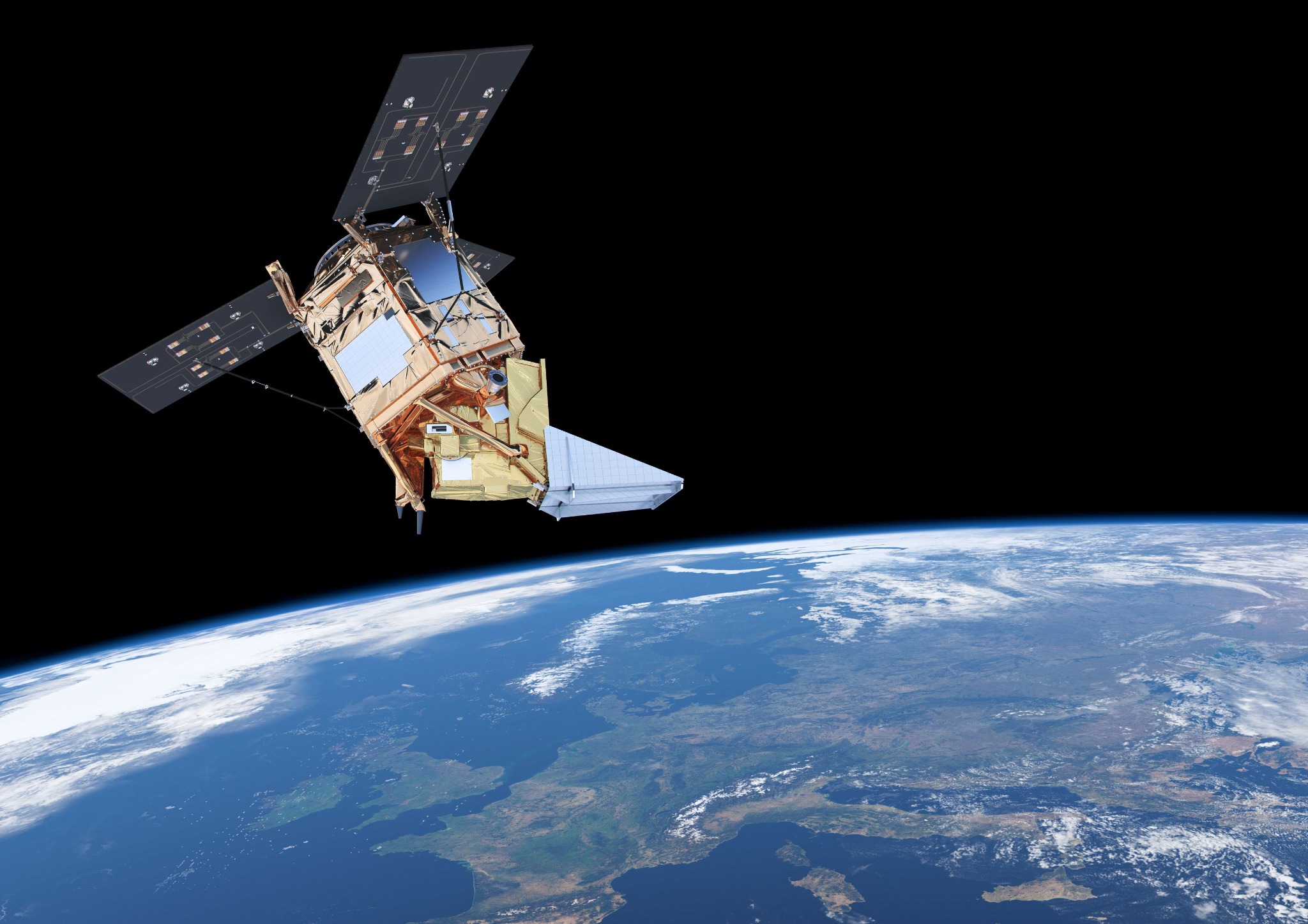
Satellite observations of clouds, aerosols and trace gases help monitor climate and air quality. My work focuses on the radiative transfer behind those measurements, including cloud shadows and solar eclipses.
Atmospheric and planetary scientist · developer of MONKI
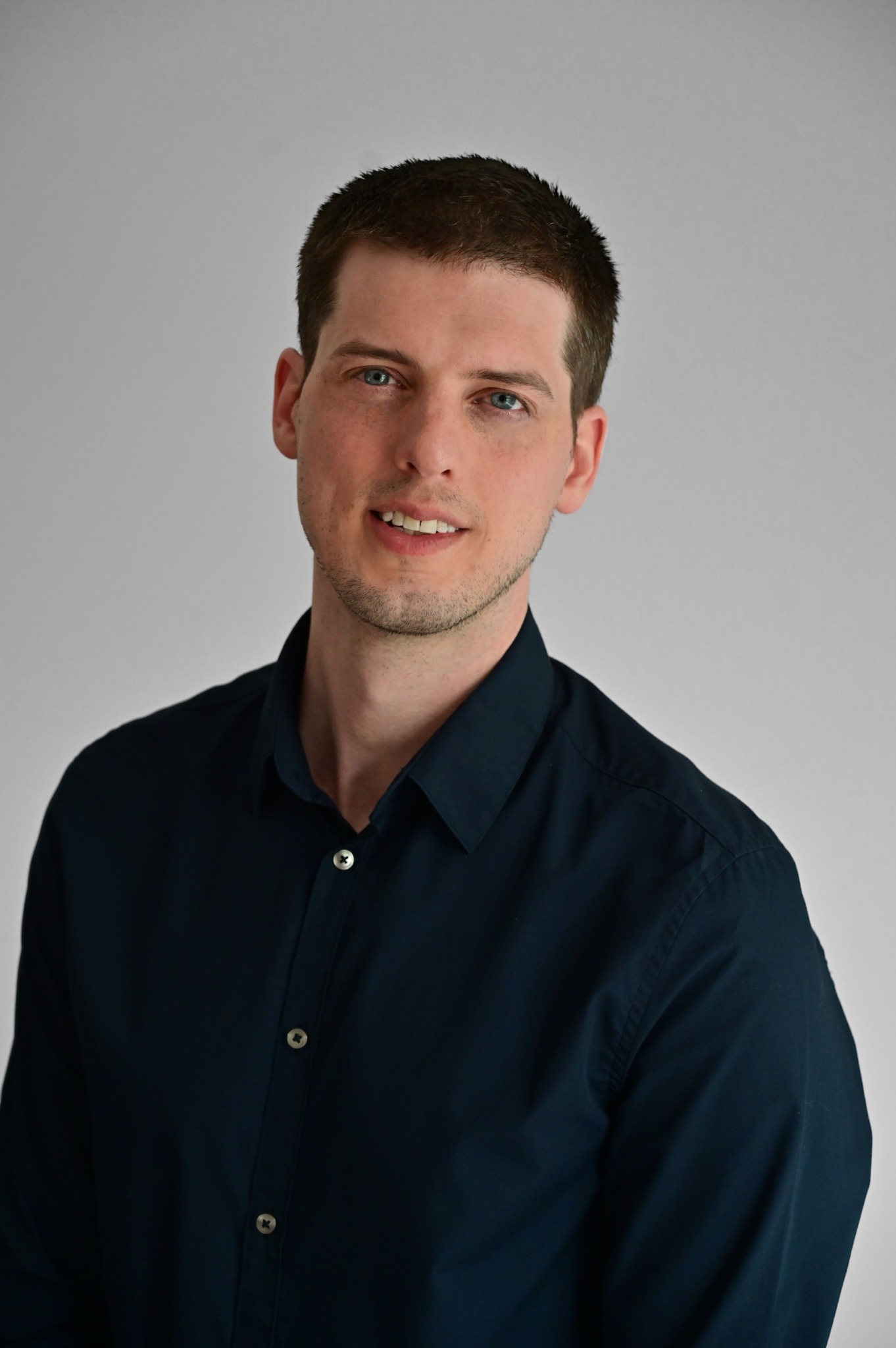
Dutch atmospheric and planetary scientist at TU Delft and KNMI working on Earth, Venus, and Earth-like exoplanets.
From polarised-light physics to planetary atmosphere observations. I develop and apply radiative-transfer computer codes to simulate total and polarised light in planetary atmospheres. A central part of my work is MONKI, a Monte Carlo radiative transfer code in Fortran that I built from scratch to connect polarised light scattering by 3D cloudy atmospheres with satellite and telescope observations.
Core expertise
My work starts from the physics of light: scattering and absorption by atmospheric particles and gases, polarisation of light, reflection by land and ocean surfaces, and the geometry of real atmospheres. I turn that physics into numerical models and use those models to interpret reflected-light signals for Earth-observation satellites, Venus missions, and future observations of Earth-like exoplanets.
Satellite observations of clouds, aerosols and trace gases help monitor climate and air quality. My work focuses on the radiative transfer behind those measurements, including cloud shadows and solar eclipses.
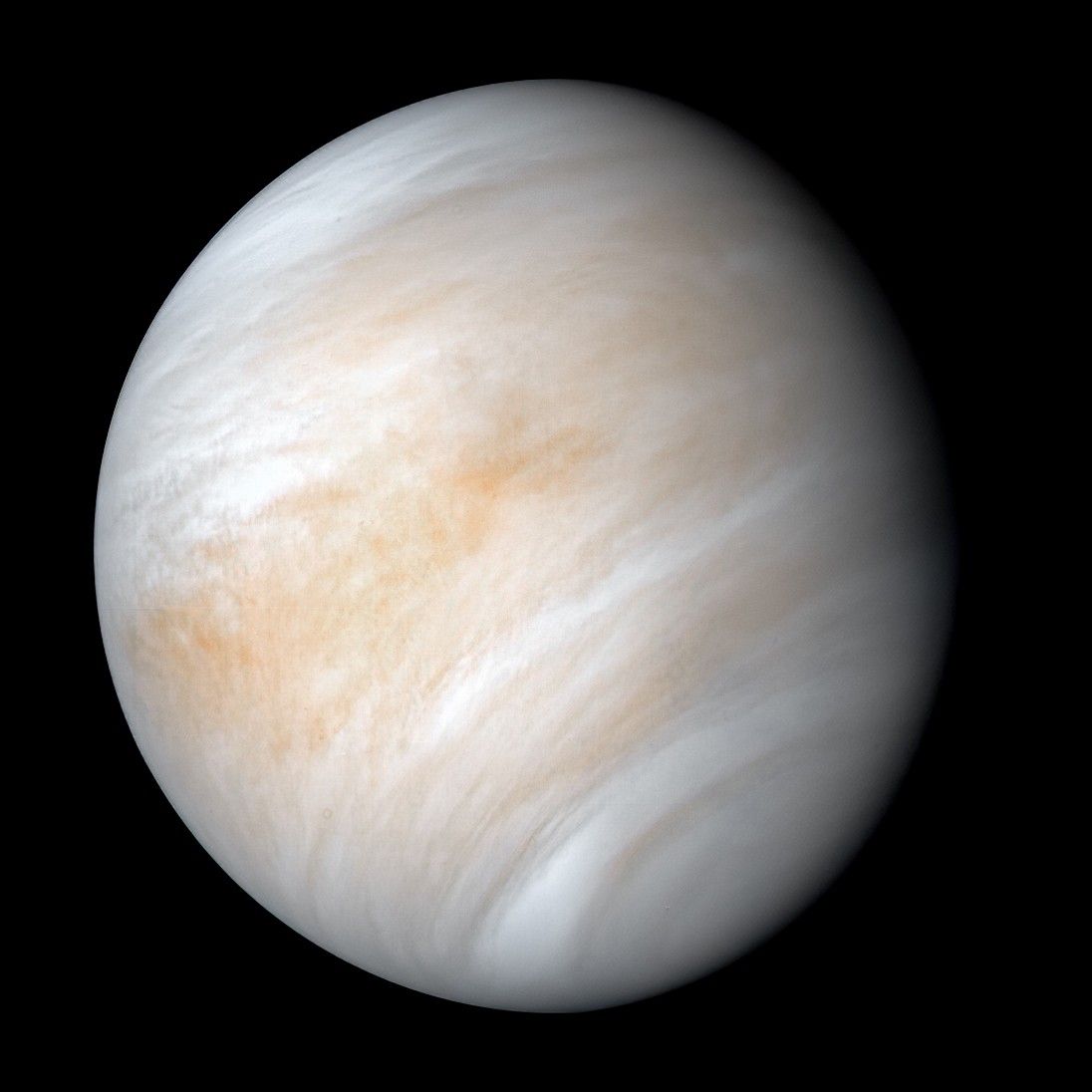
Our nearest planetary neighbour, an Earth-sized world that evolved very differently. I simulate polarised reflected sunlight for ESA's EnVision mission, planned for launch in the 2030s, including challenging twilight and limb geometries.
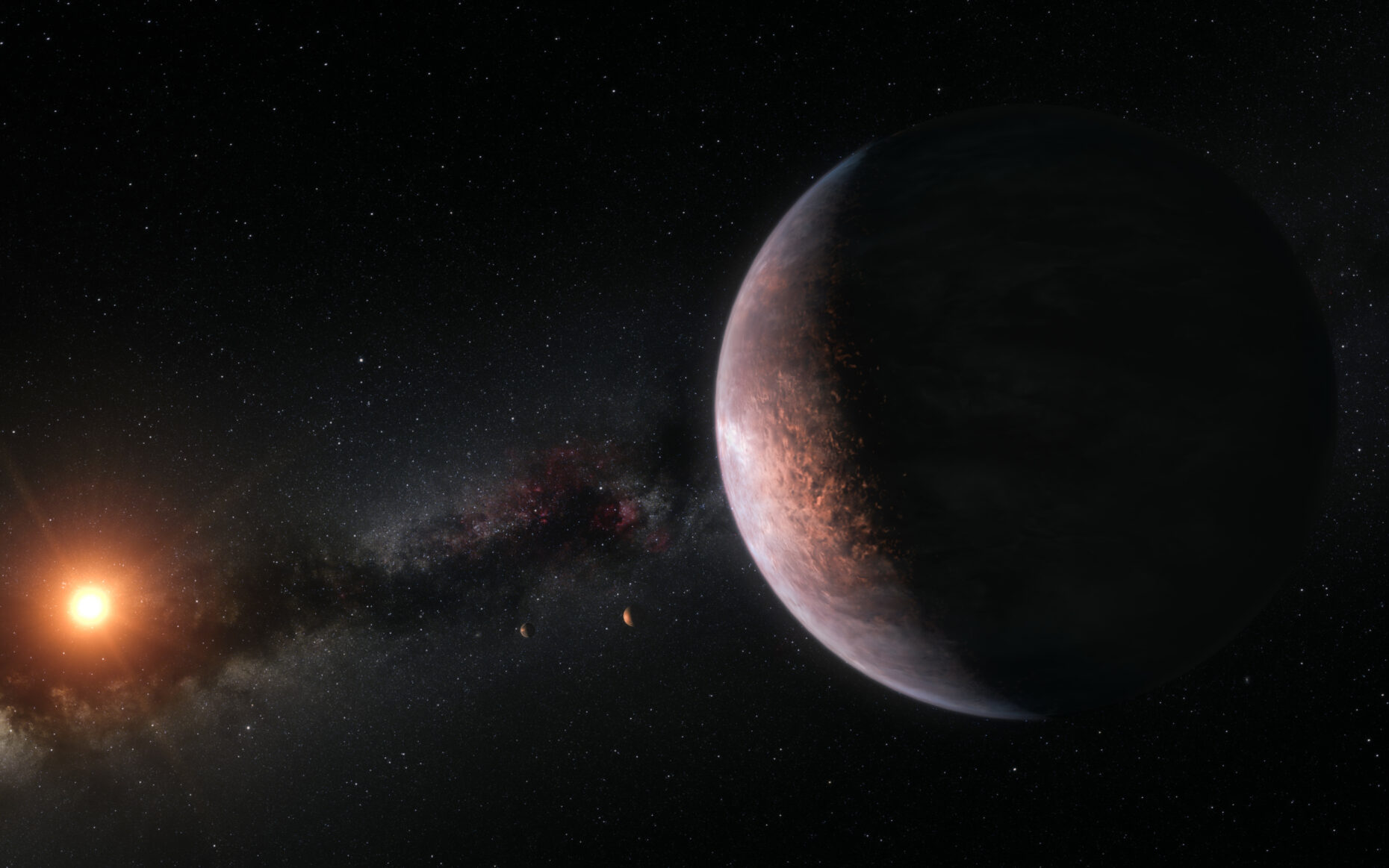
Exoplanets are planets beyond our solar system. I simulate reflected-light signals to test how future telescopes could recognise oceans, clouds, and possible habitability on distant Earth-like worlds.
Earth observation
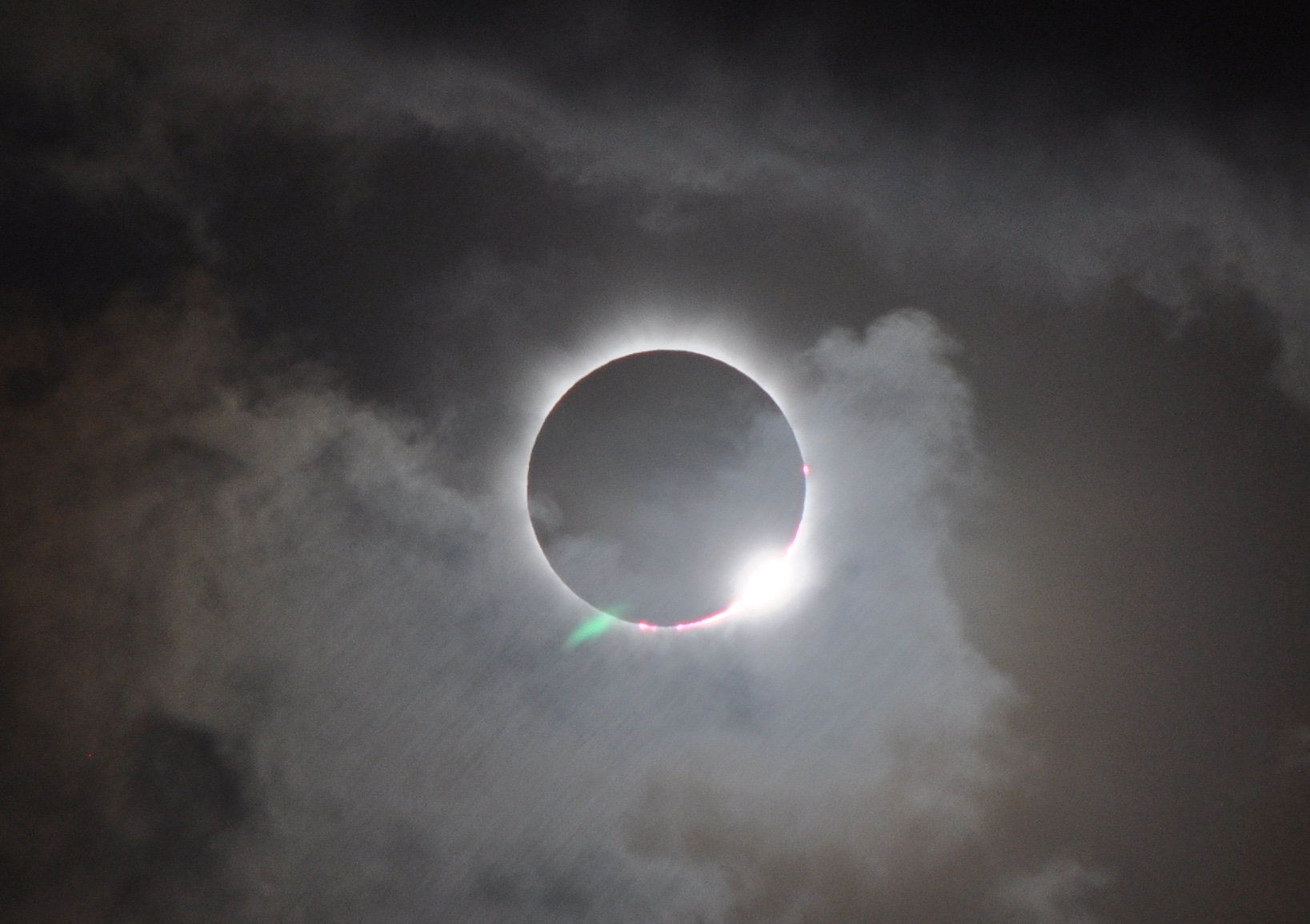
By restoring satellite data during solar eclipses, I found spaceborne evidence that shallow cumulus clouds over land respond rapidly when sunlight is partly reduced. This finding may have implications for proposed climate engineering ideas, because disappearing clouds can partly oppose the cooling effect of artificial dimming of sunlight.
Exoplanets
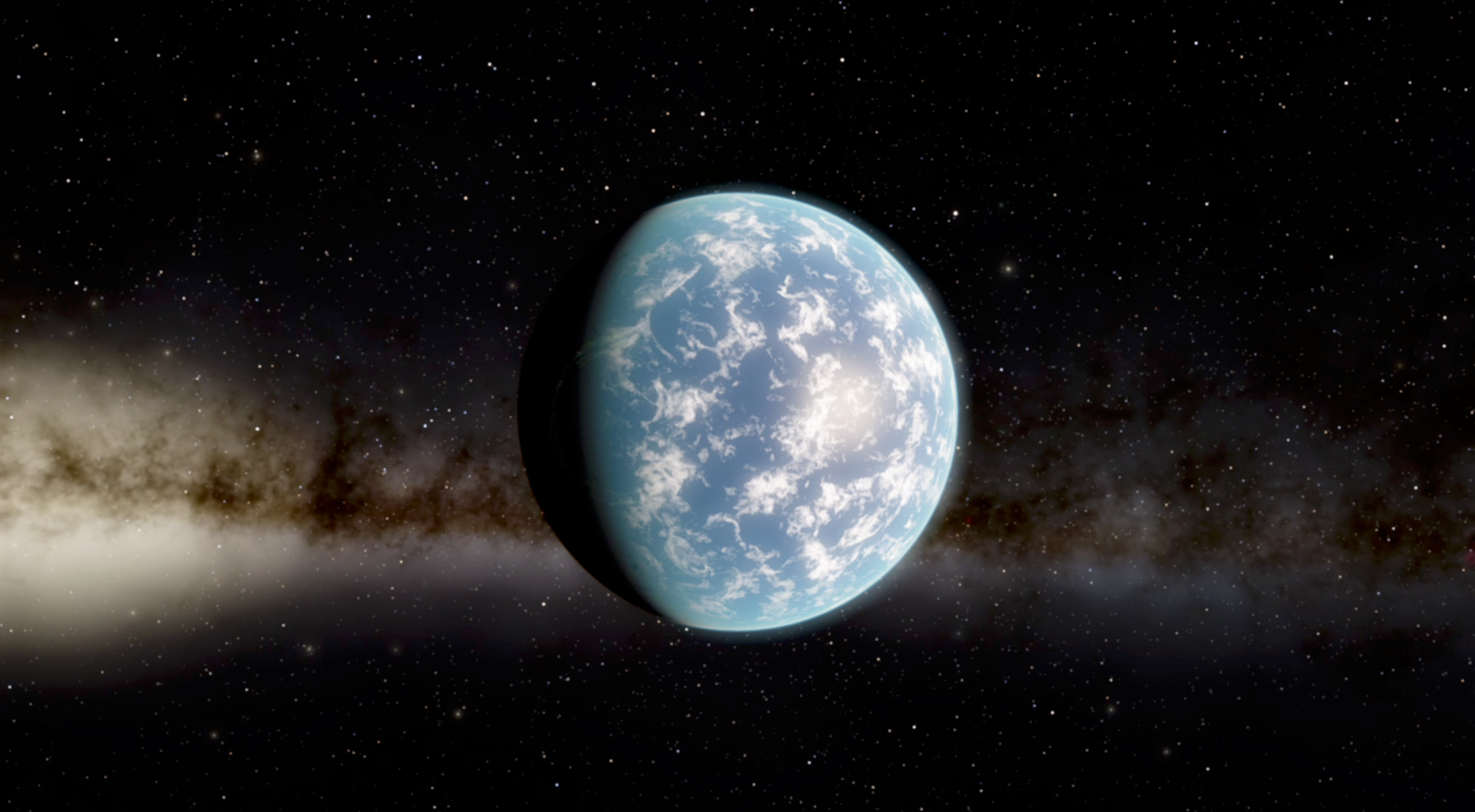
My exoplanet work showed how polarisation and colour variations of reflected starlight can carry signatures of liquid water oceans. Such a detection would be a milestone in the search for life beyond the solar system. The same simulations were later used in a study for NASA's Habitable Worlds Observatory.
MONKI · 3D Monte Carlo radiative transfer
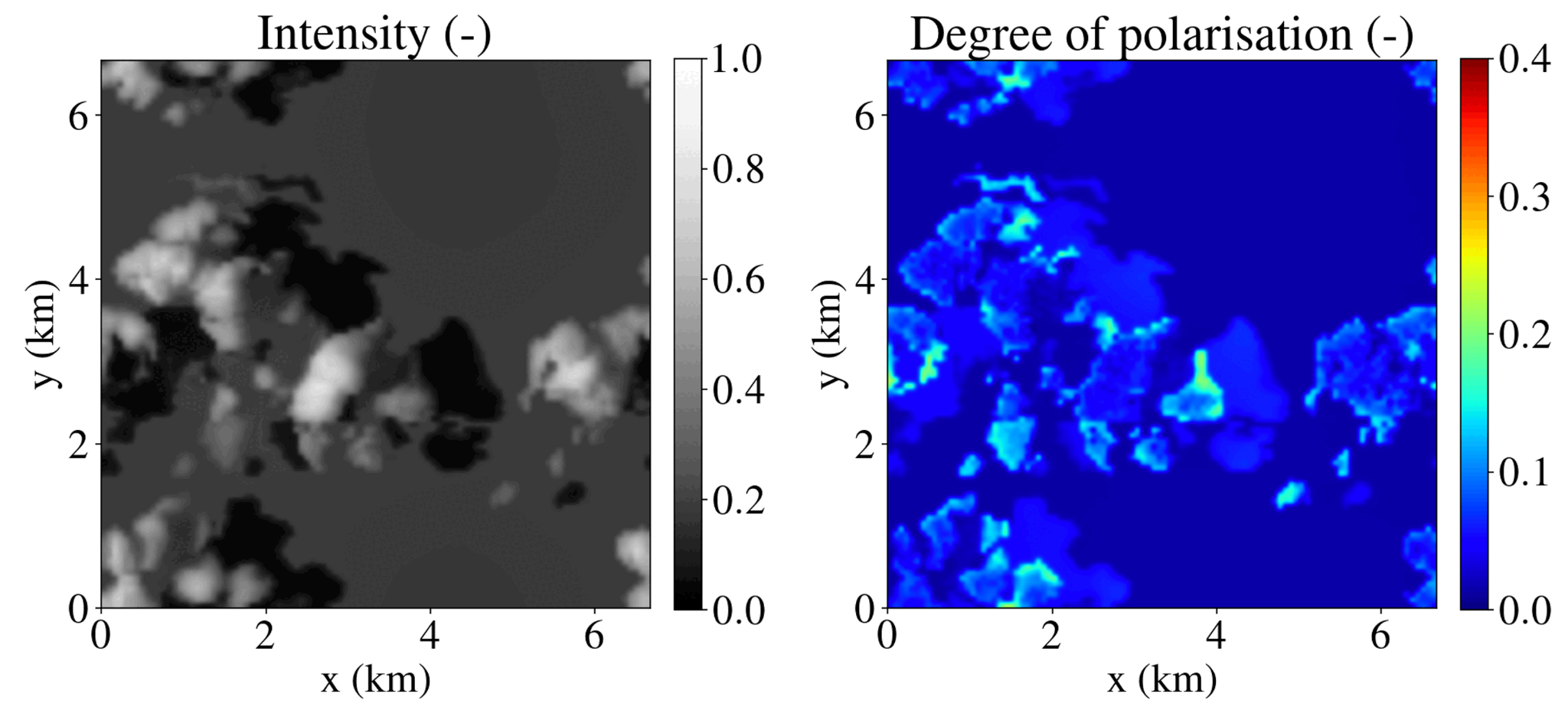
MONKI is the central software development in my work: a Fortran code that I built from scratch to simulate total and polarised reflected light in realistic planetary atmospheres, including 3D cloud structures and multiple scattering.
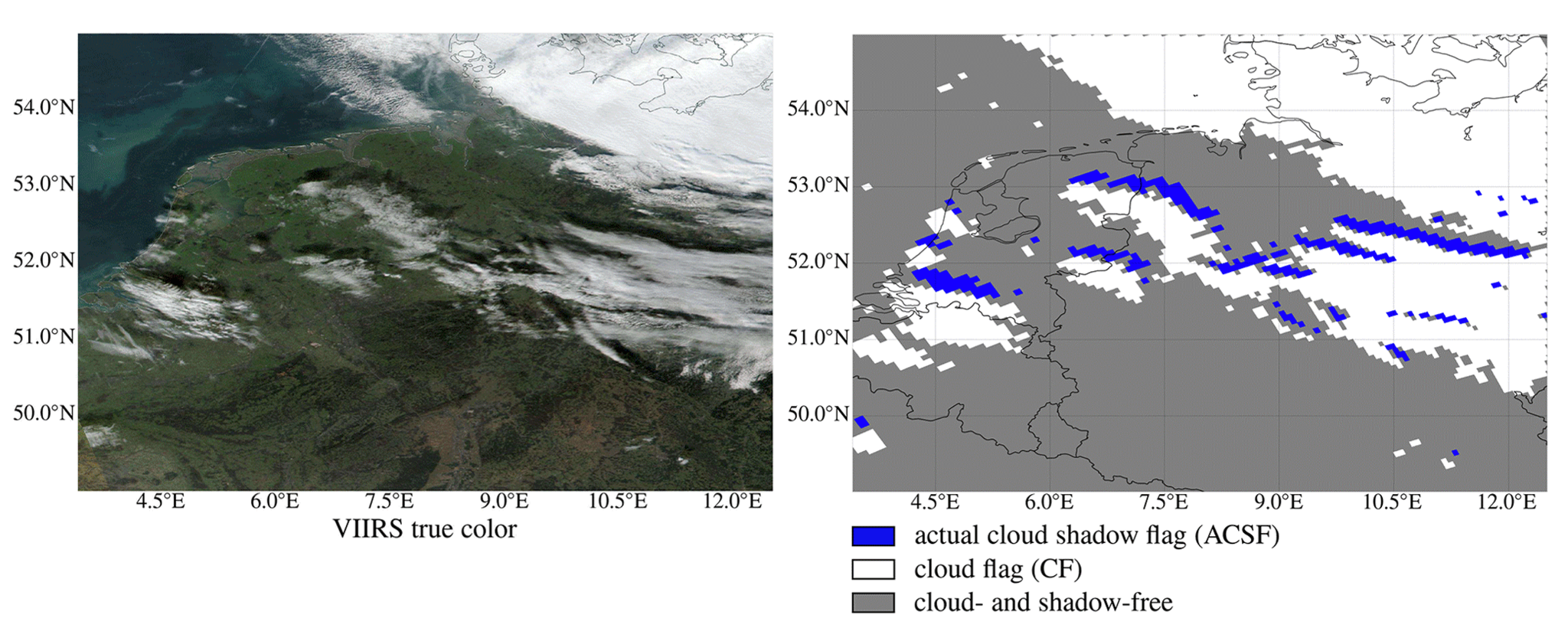
DARCLOS · TROPOMI cloud-shadow detection
DARCLOS identifies cloud-shadow scenes in TROPOMI observations. It supports the interpretation of aerosol and surface-reflectance products by flagging cases where 3D cloud geometry affects the measured radiation field.
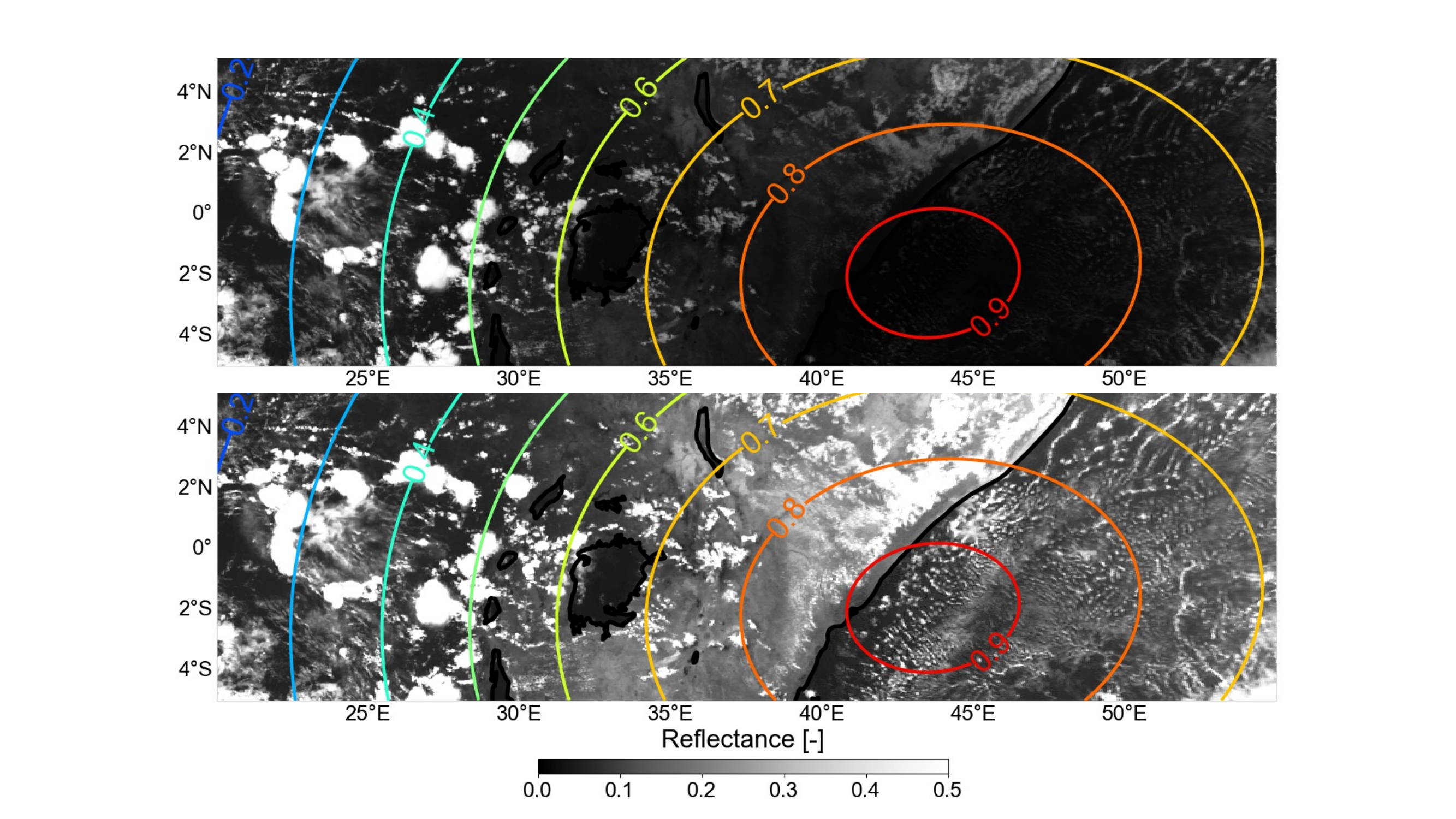
Solar-eclipse correction · Eclipse experiment
I developed a correction method for satellite measurements during solar eclipses. This made it possible to use eclipses as controlled sunlight-perturbation experiments and revealed the rapid response of shallow cumulus clouds to reduced sunlight.
27 May 2026
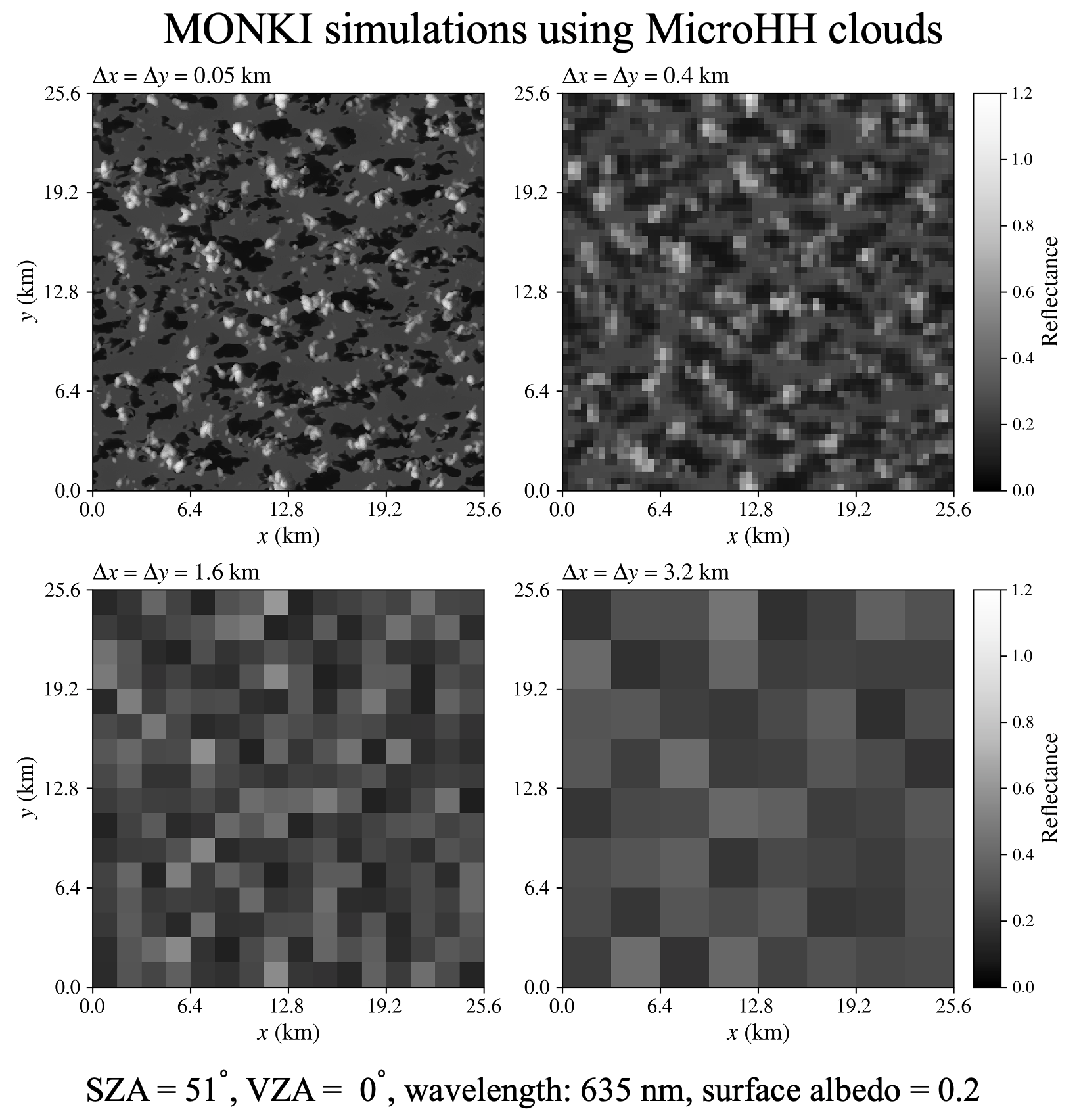
MONKI was used in a study led by Job Wiltink to quantify how three-dimensional cloud-radiation interactions affect satellite-based estimates of global horizontal irradiance: the amount of sunlight that reaches the surface on a horizontal plane.
Such 3D effects are often hidden within large satellite pixels. Light can be transported horizontally between cloudy and cloud-free parts of a scene, and cloud shadows can reduce the radiation that reaches the surface. As new geostationary weather satellites observe clouds with smaller pixels, these effects become increasingly important for interpreting and correcting satellite-based irradiance products.
The study combines MONKI with realistic cloud fields from MicroHH, a large-eddy simulation cloud model, and shows how pixel size, cloud structure, and horizontal photon transport shape the retrieved signal.
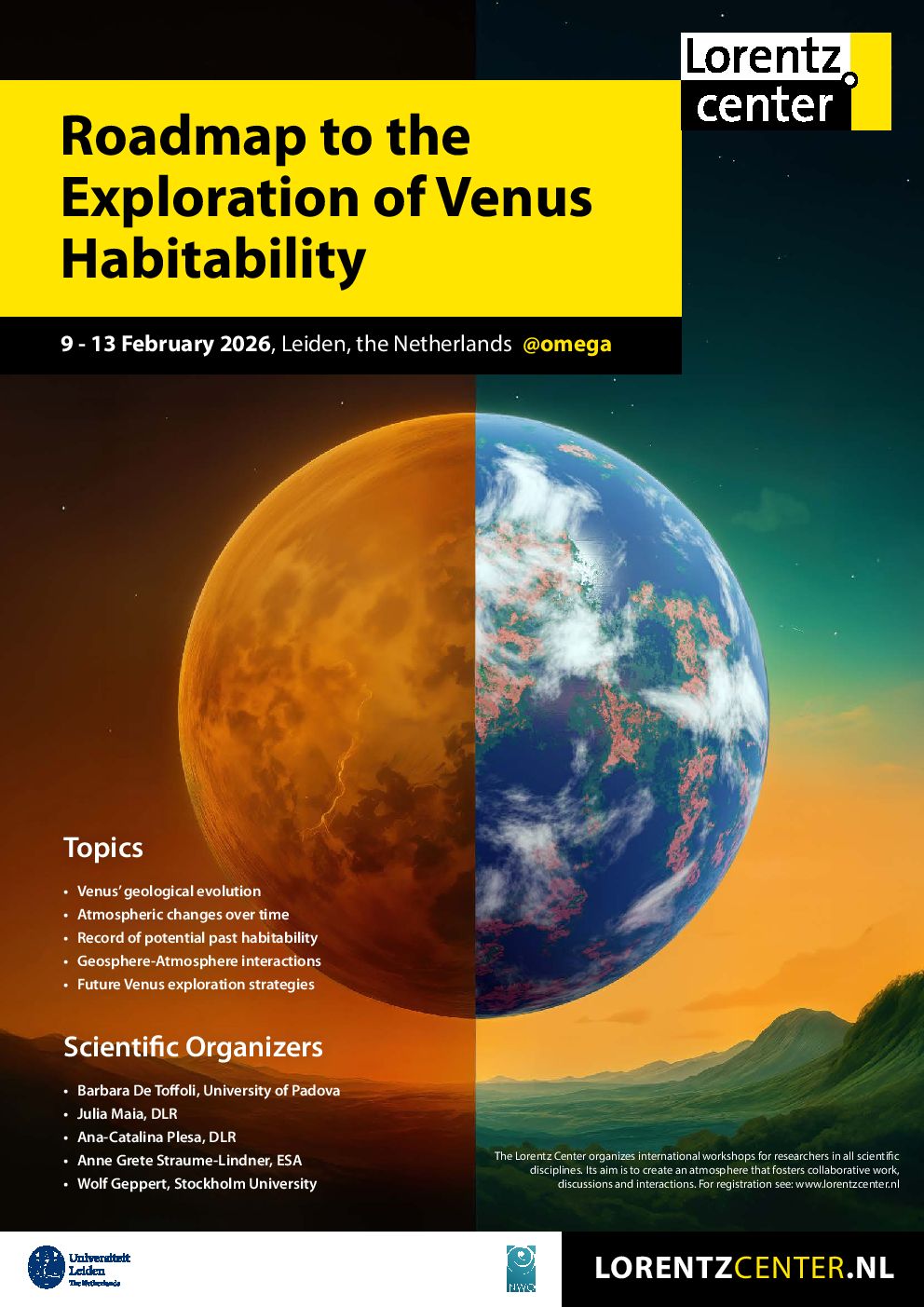
9–13 February 2026
I spent the full week at the Lorentz Center in Leiden for the workshop “Roadmap to the Exploration of Venus Habitability”. The meeting brought together researchers working on Venus geology, interior structure, atmospheric evolution, and future mission concepts.
We discussed which observations and mission strategies are needed to understand how Venus evolved and whether it may once have been habitable. I contributed from the perspective of reflected-light modelling and argued for polarimetry as a way to constrain Venus’s clouds, hazes, and atmospheric structure.